


Two-thirds of Irish consumers unaware households are biggest source of food waste
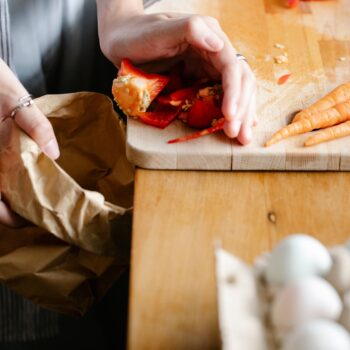
New research from Too Good To Go highlights a significant gap in public awareness, as EPA figures show Irish households generated 219,000 tonnes of food waste in 2024
 Print
Print1 October 2026
Two-thirds of people in Ireland are unaware that households are the country’s largest single source of food waste, according to new research from Too Good To Go.
The findings, released to mark the United Nations’ International Day of Awareness of Food Loss and Waste, found that just 34% of respondents were aware of the contribution households make to Ireland’s overall food waste.
The research comes as the latest figures from the Environmental Protection Agency (EPA) show that Irish households generated an estimated 219,000 tonnes of food waste in 2024 – accounting for 31% of the national total.
Across Ireland, an estimated 708,000 tonnes of food waste was generated in 2024. Households were followed by restaurants and food services, which accounted for 181,000 tonnes, or 26% of the total. Retail and distribution accounted for 85,000 tonnes, or 12%.
The EPA estimates that household food waste costs the average Irish household approximately €60 per month, or around €700 a year. Nationally, this represents an estimated cost of €1.29 billion annually.
Bread, fruit and vegetables among key sources of waste
Food waste represents both an environmental and financial cost for households, with everyday food staples among the products commonly discarded.
The EPA estimates that food waste is responsible for approximately 8-10% of global greenhouse gas emissions, reflecting the resources used to produce, process and transport food before it ultimately goes to waste.
Recent EPA research has also highlighted the scale of bread waste in Irish homes, with 48% of people identifying bread as the food they waste most often.
Too Good To Go calls for action at household level
Machaela O’Leary, key accounts manager at Too Good To Go Ireland, said greater awareness of the household contribution to food waste is needed.
“On International Day of Awareness of Food Loss and Waste, it’s important to recognise that the majority of people are unaware of the role households play in Ireland’s food waste problem,” O’Leary said.
She added: “When we throw away good food, we aren’t just wasting the money in our pockets, we are also wasting all the land, water and energy that went into producing it.”
O’Leary encouraged consumers to take practical steps to reduce waste, including planning shopping trips, storing food correctly and making better use of leftovers.
Too Good To Go is also encouraging consumers to consider whether food is still suitable to eat before throwing it away, using the “Look, Smell and Taste” approach where appropriate.
€1.29bn opportunity to reduce waste
The latest EPA figures underline the scale of the potential savings. At an estimated €700 per household each year, reducing avoidable food waste could help households cut costs while also reducing the environmental impact associated with discarded food.
The EPA says prevention is the most effective way of addressing food waste, followed by redistribution of surplus food.
In 2024, FoodCloud redistributed approximately 3,895 tonnes of surplus food through partnerships with food businesses and community organisations, equivalent to around 9.3 million meals.
Ireland is also subject to EU food waste reduction targets for 2030, including a 30% per-capita reduction in food waste across retail, restaurants, food services and households.
For retailers and food businesses, the figures reinforce the role of the entire food supply chain in tackling waste – while highlighting the scale of the opportunity to help consumers make better use of the food they purchase.
Read more: Too Good To Go tackles heatwave food waste
© 2026, ShelfLife by Patryk Goron

Related Articles

Over 75% of students prefer sustainable business, research shows →



Followers 0
Fans 0
Followers